The excitement of finding a used car in Cambridge can be real. You have spotted a tidy hatchback near Mill Road or a dependable family SUV listed just off the A1134. The price feels fair. The photographs look clean. Your mind already starts picturing morning commutes without crowded trains.
However, that same enthusiasm leads many buyers toward a common misstep. They hand over a deposit or full payment before a qualified mechanic ever lifts the bonnet. A few weeks later, a strange rattle appears. An warning light glows on the dash. The affordable car suddenly feels like a financial mistake.
This situation happens more often than most people realise. A pre-purchase inspection (PPI) exists precisely to prevent that scenario. At Mr Perfect Car Repair, we have examined countless used vehicles for Cambridge residents. Some passed beautifully. Others revealed problems that saved our customers thousands of pounds.
This article explains why a professional inspection matters, what it covers, and how you can arrange one without delaying your purchase.
Why Used Cars Hide Expensive Secrets
Every used car carries a history. Even vehicles with a full service history and recent MOT certificate can harbour hidden faults. The previous owner might not have known about an underlying issue. Alternatively, some sellers deliberately mask problems until the sale completes.
A few common hidden faults we regularly uncover include:
- Undiagnosed oil leaks that only become visible under workshop lighting
- Brake pad and disc wear close to legal minimums
- Suspension bushings that have cracked but not yet started knocking
- Corrosion beginning in subframes or suspension mounting points
- Tyres with mismatched wear patterns indicating alignment or tracking problems
None of these faults would necessarily stop a car from driving normally for a short test route. Over subsequent weeks or months, however, they become expensive repairs. A pre-purchase inspection moves that timeline forward. You learn about problems before you commit your bank account.
The Cambridge Context: Specific Challenges for Local Buyers
Cambridge presents unique conditions that make pre-purchase inspections even more valuable. Whether you live near the city centre or in surrounding villages, your used car will face particular stresses.
Stop-Start City Driving
Cambridge traffic involves frequent stopping, clutch use, and short journeys. That pattern accelerates wear on brake components, clutches (in manual cars), and batteries. A car that cruised motorways for most of its life might adapt well. One that already endured years of city commuting could need fresh brakes sooner than expected.
Narrow Streets and Kerb Damage
Many Cambridge streets require careful parking. Repeated kerb contact damages wheel rims, tyre sidewalls, and suspension geometry. A visual inspection alone rarely reveals the cumulative effect of months of tight parking.
Seasonal Demands
Winter months bring cold starts, salt on roads, and potential battery strain. A car that starts fine on a mild afternoon might struggle during a January frost. Professional testing checks cold cranking performance and charging system health.
Village to City Journeys
Drivers who travel from outlying villages into Cambridge combine cold starts with eventual stop-start congestion. That varied duty cycle places unique demands on engine oil, cooling systems, and transmission fluid. A general visual check misses these nuances.
Mr Perfect Car Repair has serviced Cambridge vehicles for long enough to recognise these local patterns. Our inspections specifically watch for damage patterns linked to this area’s roads and driving behaviours.
What a Professional Pre-Purchase Inspection Actually Includes
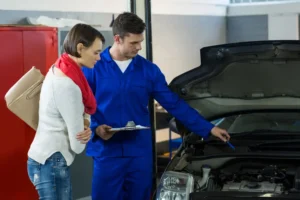
A proper inspection goes far beyond walking around a car and kicking tyres. When you bring a potential purchase to Mr Perfect Car Repair, our mechanics follow a structured process.
Under Bonnet Assessment
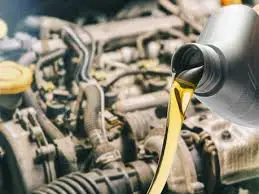
We check fluid levels, condition, and any signs of cross contamination. Engine oil should look amber or dark brown, not milky. Coolant needs appropriate concentration and no oil residue. Brake fluid must appear clean and meet moisture content standards. We also examine belts, hoses, and accessible gaskets for leaks or brittleness.
Exterior and Structural Review
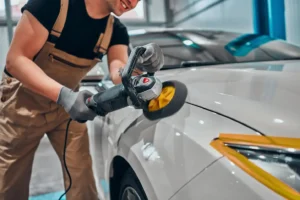
Body panels reveal story of previous repairs. Paint thickness differences or mismatched panel gaps suggest accident repairs. We inspect the boot floor, spare tyre well, and jacking points for corrosion. A ramp lift lets us examine the full underside including exhaust mounts and heat shields.
Tyres and Wheels
Tread depth matters, but so does tyre age, sidewall condition, and wear evenness. Uneven wear across a single axle points to alignment or suspension problems. We measure remaining tread depth across each tyre and note any cracking from UV or age damage.
Braking System
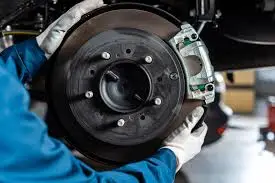
Brake pads and discs receive careful measurement. Callipers and brake lines get inspected for leaks or corrosion. The handbrake mechanism also gets tested for full holding power.
Suspension and Steering
Each corner of the car gets the bounce test while we listen for unusual sounds. Ball joints, track rod ends, and anti-roll bar links are checked for play. Shock absorbers need to return correctly without leaks.
Electrical and Electronics
Battery condition and charging voltage come first. We test lights, indicators, hazard functions, and internal controls including windows, mirrors, and climate systems. Warning lights on the dashboard are noted for potential diagnostic trouble codes.
On-Road Behaviour
Whenever possible, we take the car on a short local drive. The engine should pull smoothly without hesitation. Gears engage cleanly. The steering tracks straight without pulling. Braking feels progressive and free from vibrations or pulling to one side.
Diagnostic Scan
Modern cars store fault codes even when no warning light appears on the dash. Our diagnostic equipment reads all available control modules including engine, gearbox, ABS, airbags, and convenience systems. Some stored codes reveal intermittent problems that might otherwise stay hidden for months.
What You Receive After the Inspection
A verbal reassurance is not enough. You need a written record. After completing an inspection at Mr Perfect Car Repair, you receive a clear document covering:
- A summary of findings organised by urgency (safety critical, recommended soon, monitor)
- Specific measurements where relevant, such as brake pad thickness in millimetres
- Photographs of any identified concerns
- Estimated costs for recommended repairs if you proceed with purchase
This document serves multiple purposes. First, it helps you decide whether to buy the car. Second, it provides negotiation leverage if the seller has misrepresented the condition. Third, it creates a baseline so you know what work may be due in the coming months.
Common Myths About Pre-Purchase Inspections
Some buyers hesitate to arrange an inspection because they have heard misleading information. Let us correct the most frequent misunderstandings.
Myth: A current MOT certificate means the car is fault-free.
An MOT tests minimum roadworthiness at a single moment. It does not assess long term reliability, fluid condition, or hidden electronic faults. Many serious problems can exist alongside a valid MOT.
Myth: I can inspect the car myself because I know basic checks.
Basic checks catch obvious problems. They miss internal faults, suspension play, diagnostic codes, and hidden corrosion. Professional mechanics have ramps, diagnostic tools, and years of pattern recognition. Amateur inspections leave significant risk.
Myth: Private sellers won’t allow an inspection.
Honest private sellers welcome independent inspections. It proves their car has nothing to hide. If a seller refuses inspection access, that refusal alone tells you something important about the vehicle.
Myth: An inspection takes too long and I will lose the car.
Most inspections are completed within one working day. A patient seller can wait 24 hours. If another buyer snatches the car without an inspection, let them. That speed suggests either incredible good fortune or hidden problems you just avoided.
Myth: Inspections cost too much for a cheap car.
Inspection fees are small compared to unexpected repair bills. A £100–150 inspection on a £2,000 car might save you a £800 gearbox repair. The value proposition holds regardless of purchase price.
Real Example: A Cambridge Case Study
Consider a recent example from our workshop records. A customer found an appealing five year old hatchback advertised near Cambridge station. The car looked clean, drove smoothly on a short test route, and carried a fresh MOT with no advisories.
They brought it to Mr Perfect Car Repair for a pre-purchase inspection. Our team discovered:
- Moderate corrosion beginning on rear suspension mounting points
- A slow coolant leak from a deteriorating water pump gasket
- Brake fluid moisture content above safe limits
- Stored transmission fault codes indicating intermittent sensor problems
Total estimated repairs within twelve months: approximately £1,400. The customer negotiated £1,200 off the asking price and still purchased the car, knowing exactly what work lay ahead. Alternatively, they could have walked away entirely without financial loss.
Without that inspection, they would have discovered those problems one by one after purchase. Each repair would have arrived as an unwelcome surprise.
How to Arrange a Pre-Purchase Inspection in Cambridge
Arranging an inspection is simpler than many buyers expect. You do not need to own the car first. You just need access to it.
Step one – Find a car that interests you. Complete basic checks such as looking at service records, MOT history online, and taking a careful test drive.
Step two – Contact Mr Perfect Car Repair to book an inspection slot. We will confirm availability and discuss any specific concerns you might have about that model.
Step three – Speak with the seller. Explain that you would like an independent inspection at your cost. Most reasonable sellers agree, especially if you offer to bring the car yourself or meet at our workshop.
Step four – Bring the car to us or arrange for collection if the seller permits. The inspection typically takes two to three hours depending on vehicle complexity.
Step five – Receive your report. Use it to make an informed decision, renegotiate price, or continue your search with peace of mind.
When a Pre-Purchase Inspection Makes Most Sense
Some situations call for an inspection more urgently than others.
Consider an inspection essential when:
- Buying from a private seller rather than a dealer
- Purchasing a car over seven years old
- The car lacks a full service history
- You are buying remotely without viewing in person
- The price seems unusually low for the model and age
- You cannot test drive on varied roads including faster A roads
Consider an inspection helpful but optional when:
- Buying from a reputable dealer with a comprehensive warranty
- Purchasing a nearly new car with manufacturer warranty remaining
- The car belongs to a trusted friend or family member with full transparency
Even in optional cases, many buyers still choose inspections for complete confidence. No warranty covers every future fault, and even new used cars can have undetected transport damage.
Final Thoughts Before You Buy
Used car buying in Cambridge does not need to feel like gambling. A few hundred pounds and a few hours of time can protect you against thousands in unexpected repairs. The best time to arrange an inspection is before you fall in love with a particular car. Logic should guide the purchase, not emotion.
Mr Perfect Car Repair has helped Cambridge drivers avoid troublesome vehicles for years. We have also given the green light on many excellent used cars that went on to serve their owners reliably for years. Our goal is never to scare you away from buying. It is to ensure you buy with open eyes.
If you have found a used car you want to pursue, contact us before you commit. Bring the car to our workshop or ask about our availability for inspections at seller locations where possible. A small investment today prevents stressful conversations with your bank account tomorrow.