Buying your first car is a milestone. It represents freedom, independence, and the open road. But with that freedom comes a new responsibility: maintenance. For many new drivers, the first oil change can feel like a mysterious ritual—an unfamiliar process with its own language, costs, and expectations.
If you have been searching for “oil change Cambridge” and feeling a bit unsure about what comes next, you are not alone. At Mr Perfect Car Repair, we believe knowledge is the foundation of confidence. We have helped countless first-time car owners step into our shop feeling anxious and leave feeling empowered.
This guide will walk you through everything you need to know about your first oil change. We will cover why it matters, what happens under the hood, how to prepare, and what questions to ask. By the end, you will be ready to handle this essential maintenance task like a seasoned driver.
Why the First Oil Change Feels Like a Big Deal
There is a reason your first oil change stands out. When you purchase a new or new-to-you vehicle, you are making a significant investment. The thought of someone draining fluids from your engine can feel invasive if you have never seen it done before.
However, oil changes are the single most important routine service for your vehicle. Engine oil is the lifeblood of your car. It lubricates moving parts, reduces friction, carries away heat, and traps harmful contaminants. Without clean oil, even the most reliable engine will wear out prematurely.
For first-time owners, the oil change is also a gateway to understanding broader vehicle care. It is often the first service appointment you will schedule, setting the tone for how you approach future maintenance like tire rotations, brake inspections, and fluid checks.
Understanding the Basics: What Oil Actually Does
Before we walk through the service itself, it helps to understand what is happening inside your engine. Your engine contains dozens of metal components moving at high speeds. Pistons slide inside cylinders, valves open and close thousands of times per minute, and camshafts rotate against bearings.
Engine oil creates a thin film between these metal surfaces, preventing direct contact that would cause rapid wear. It also absorbs immense heat generated by combustion and friction, dispersing it as the oil circulates. Over time, oil breaks down. It becomes thinner, loses its protective properties, and accumulates dirt, soot, and microscopic metal particles.
When you bring your car in for an oil change, you are not just replacing a fluid. You are removing those accumulated contaminants and restoring your engine’s ability to protect itself.
When Should You Schedule Your First Oil Change?
One of the most common questions we hear from first-time owners is, “How do I know when it is time?” The answer depends on several factors.
If you purchased a brand-new car, your manufacturer’s recommended interval might be every 7,500 to 10,000 miles, especially if your vehicle uses synthetic oil. However, many manufacturers suggest a shorter first interval—sometimes as early as 3,000 to 5,000 miles—to remove initial wear metals that occur during engine break-in.
If you bought a used car, the ideal time for your first oil change depends on when the previous owner last had it done. When in doubt, schedule a service. Establishing your own maintenance baseline is a smart practice.
Your vehicle’s owner’s manual is the ultimate guide. It contains manufacturer-specific recommendations tailored to your engine. For modern vehicles, onboard oil life monitoring systems track driving conditions and alert you when service is needed. Trust that system, but also pay attention to traditional signs like dark, gritty oil on the dipstick or a persistent check engine light.
What to Expect Before You Arrive
Preparation for your first oil change is simple but important. Start by gathering basic information about your vehicle. Know the make, model, year, and approximate mileage. If you have a preferred oil type listed in your owner’s manual, make a note of it.
Calling ahead or booking online at Mr Perfect Car Repair ensures you secure a time that fits your schedule. For first-time customers, we recommend allowing a little extra time so you can ask questions and become familiar with our process.
When you arrive, you will pull into our service area. One of our technicians will greet you, review your vehicle’s information, and discuss any concerns you may have noticed, such as unusual noises, dashboard warnings, or changes in how the car drives.
This conversation is an opportunity. Do not hesitate to say, “This is my first oil change.” We appreciate knowing when a customer is new to the process because it allows us to take extra time explaining what we are doing and why.
Step-by-Step: What Happens During the Service
Knowing what happens step by step can ease any uncertainty. While every shop has its own workflow, a professional oil change follows a consistent sequence.
1. Vehicle Intake and Protection
Once you have checked in, your vehicle is brought into the service bay. Technicians typically place protective covers over your seats and steering wheel to keep your interior clean. A floor mat cover is also used to avoid tracking debris into the cabin.
2. Under-Hood Inspection
Before lifting the vehicle, a technician will open the hood to inspect accessible components. This usually includes checking the air filter, inspecting belts for cracking or wear, and looking for any signs of fluid leaks. They will also verify that the current oil level and condition align with what you described.
3. Lifting the Vehicle
Your car is raised on a hydraulic lift to allow safe access underneath. At this point, the technician can see the oil pan, drain plug, and oil filter.
4. Draining the Old Oil
The drain plug is carefully removed, and the old oil is drained into a collection container. This oil is recycled according to environmental regulations. Allowing the oil to drain fully ensures that as much contaminated fluid as possible is removed from the engine.
5. Replacing the Oil Filter
While the oil drains, the technician removes the old oil filter. The filter traps contaminants that would otherwise circulate through your engine. A new filter is installed, often with a thin layer of fresh oil applied to the gasket to ensure a proper seal.
6. Installing the Drain Plug and Lowering the Vehicle
Once the oil has finished draining, the drain plug is cleaned, fitted with a new gasket if needed, and tightened to the manufacturer’s specifications. Over-tightening can damage the oil pan, while under-tightening can cause leaks, so precision matters. The vehicle is then lowered back to the ground.
7. Adding Fresh Oil
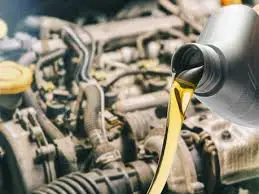
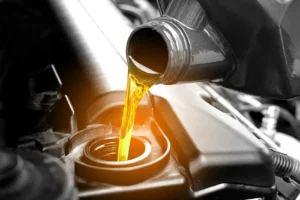
Fresh oil is added through the opening under the hood. The technician adds the exact type and viscosity recommended for your engine. After adding the specified amount, they will run the engine briefly to circulate the new oil and then recheck the level, adding more if necessary.
8. Final Inspection and Cleanup
The technician performs a final inspection, checking for leaks around the drain plug and filter. They will also reset your vehicle’s oil life monitoring system if applicable. The hood is closed, and the vehicle is given a final visual check before it is returned to you.
The Difference Between Conventional, Synthetic, and High-Mileage Oil
One point of confusion for many first-time owners is the variety of oil types available. Here is a simple breakdown.
Conventional oil is refined from crude oil and has been the standard for decades. It works well for many older vehicles and drivers who follow frequent change intervals. However, it breaks down faster under extreme temperatures and heavy driving conditions.
Synthetic oil is chemically engineered to provide superior protection. It flows more easily in cold weather, resists breakdown at high temperatures, and generally lasts longer than conventional oil. Most modern vehicles recommend synthetic oil, and it is an excellent choice for Cambridge drivers who face stop-and-go traffic and cold winters.
High-mileage oil is formulated for vehicles with over 75,000 miles. It contains conditioners that help rejuvenate seals and reduce oil consumption in aging engines.
At Mr Perfect Car Repair, we never use products that do not meet or exceed your manufacturer’s specifications. If you are unsure which oil is right for your car, we will explain the options and help you make an informed choice.
Beyond the Oil Change: Additional Services You May Encounter
A professional oil change appointment often includes a courtesy inspection. This is not an upsell tactic; it is a genuine effort to help you understand your vehicle’s overall condition.
During your first visit, the technician may mention the following:
- Tire pressure and tread depth: Proper inflation affects fuel economy and safety.
- Brake fluid condition: Moisture can accumulate in brake fluid over time, reducing braking performance.
- Coolant level and condition: Your engine’s cooling system prevents overheating.
- Windshield washer fluid: A simple top-off that improves visibility.
- Air filter: A clogged air filter can reduce fuel efficiency and engine performance.
If any additional service is recommended, the technician will explain why, show you the evidence if possible, and give you time to decide. There is no pressure. Our goal is to ensure you have the information you need to make responsible decisions about your car.
Common First-Time Owner Questions
Many first-time visitors arrive with similar questions. Here are answers to some of the most frequent ones.
How long will this take?
A standard oil change typically takes between 30 and 45 minutes. If additional services are needed or if the shop is busy, it may take slightly longer. We always provide an estimated time when you check in.
Do I need to bring my own oil or filter?
No. We stock a full range of oils and filters to match your vehicle’s requirements. If you have a specific brand preference, feel free to mention it, but it is not necessary to bring your own supplies.
Should I wait while the service is done?
That is entirely up to you. Many customers prefer to wait in our comfortable waiting area. Others drop off their vehicle and pick it up later. We will work with your preference.
Why does the cost vary between shops?
Oil change prices reflect the type and quantity of oil used, the quality of the filter, and the thoroughness of the inspection. A lower price sometimes means lower-grade products or a more basic service. We believe in transparent pricing that reflects the value of quality products and skilled labor.
Is it okay to go over the recommended mileage?
While missing your interval by a few hundred miles is unlikely to cause immediate damage, regularly extending intervals can lead to sludge buildup, reduced fuel economy, and accelerated engine wear. Consistency matters more than perfection.
How to Choose a Trusted Service Provider
Your first oil change establishes a relationship with a repair shop that may care for your vehicle for years. Choosing wisely matters.
Look for a shop with certified technicians, transparent communication, and a clean, organized facility. Positive reviews from other local drivers can provide insight into reliability and customer service.
At Mr Perfect Car Repair, we take pride in serving the Cambridge community with honesty and skill. Our technicians are trained to treat every vehicle as if it were their own. We know that trust is earned, not given, and we work hard to earn yours from the very first visit.
Building Good Habits for the Future
Your first oil change is more than a service appointment—it is the beginning of a responsible ownership journey. By staying on top of routine maintenance, you protect your investment, ensure safety, and avoid costly repairs down the road.
Here are a few habits to adopt after your first oil change:
- Keep a maintenance log. Write down the date, mileage, and type of service performed. This record is valuable for your own reference and for future resale value.
- Pay attention to your vehicle. Notice how it sounds, feels, and responds. Early awareness of changes can prevent small issues from becoming major problems.
- Follow your manufacturer’s schedule. The maintenance schedule in your owner’s manual is designed by the engineers who built your car. Following it is the best way to ensure longevity.
- Ask questions. No question is too basic. A trustworthy shop welcomes curiosity and takes time to educate.
What Sets Mr Perfect Car Repair Apart
We understand that walking into a repair shop for the first time can feel intimidating. That is why we have built our practice around transparency, education, and respect for our customers.
When you choose Mr Perfect Car Repair, you are not just getting an oil change. You are gaining a partner in vehicle care. We explain every recommendation, show you what we are seeing, and give you the space to make informed decisions.
Our Cambridge location is convenient for residents throughout the area, and we take pride in being part of this community. Whether you drive a compact sedan, a family SUV, or a high-mileage commuter car, we have the expertise to keep it running smoothly.
Conclusion: Your Journey Starts Here
Your first oil change marks the beginning of a confident, informed relationship with your vehicle. It is a straightforward service that delivers enormous benefits for engine health, safety, and peace of mind.
Now that you know what to expect—from the initial check-in to the final inspection—you can approach your appointment with clarity and confidence. There is no mystery to maintenance when you have the right information and a trusted team by your side.
If you are ready to schedule your first oil change or simply have more questions before booking, we invite you to reach out. At Mr Perfect Car Repair, we are here to make every visit a positive experience.