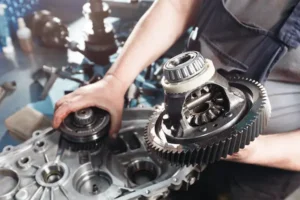
As the crisp autumn air descends on the Charles River and the days grow shorter, residents of Cambridge, Somerville, and greater Boston know what’s coming. Winter in New England is not just about picturesque snowfalls on the Common; it’s a season that demands resilience from everything—including your car. Your vehicle’s transmission, a complex assembly of gears, fluids, and electronics, faces a unique set of challenges when the temperature drops. At Mr. Perfect Car Repair, we understand that proactive care is the key to ensuring your winter commutes are smooth and safe, not stressful and costly.
Why Winter is Your Transmission’s Toughest Season
To protect your transmission, it’s helpful to understand what it’s up against. Cold weather affects your car’s transmission in several specific, physical ways that don’t occur in milder months.
First, there’s the issue of fluid. Your transmission fluid is its lifeblood, providing essential lubrication, cooling, and hydraulic pressure. When temperatures plummet, this fluid thickens, becoming more like syrup than oil. This increased viscosity means it cannot flow as easily to lubricate the transmission’s internal parts, leading to increased wear and strain on the system. In very cold weather, you might even experience delayed or harder shifting as the thickened fluid and the vehicle’s computer work to bring everything up to a safe operating temperature.
Second, consider the metal components themselves. Just like any metal, the parts inside your transmission contract in the cold. This subtle shrinking can create tiny gaps between components that aren’t normally there, potentially leading to leaks, loosened parts, or allowing unwanted moisture to enter the system.
Finally, the winter driving conditions around Boston add another layer of stress. Navigating slushy, icy, or snow-packed roads often requires rapid, gentle acceleration and careful braking to avoid getting stuck. This type of driving, along with the increased use of lower gears for traction, puts significant additional pressure on your transmission compared to smooth, dry-road cruising.
The Winter-Ready Transmission Checklist
Transforming your vehicle into a winter warrior starts with a few key steps. Following this checklist can help you head off major problems before the first snowflake falls.
1. The Critical Fluid Check and Change
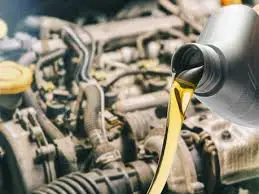
This is the single most important step in winter preparation. You need to check both the level and the condition of your transmission fluid.
- Level & Quality: Locate the transmission dipstick (consult your owner’s manual), and with the engine warm and running, check the fluid. It should be at the “Full” mark. Then, assess its quality. Fresh automatic transmission fluid is typically a bright, translucent red. If yours is dark brown or black, has a burnt smell, or contains visible particles, it’s well past time for a change.
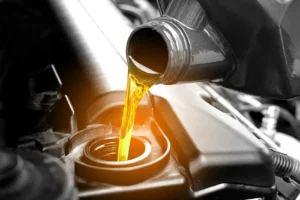
- The Synthetic Advantage: For Boston’s cold snaps, consider asking your technician about switching to a synthetic transmission fluid. Synthetic fluids are engineered to maintain a more stable viscosity in extreme temperatures, flowing better when it’s cold to provide superior lubrication from the moment you start your car.
- Filter Service: A transmission fluid change should almost always include replacing the filter. This filter traps debris and metal shavings; a clogged one can restrict fluid flow, negating the benefits of fresh fluid.
2. Commit to a Pre-Winter Professional Inspection
Don’t wait for a problem to announce itself. Scheduling a pre-winter inspection at a trusted local shop like Mr. Perfect Car Repair is a smart investment. A qualified technician can:
- Perform a comprehensive assessment of your transmission’s health.
- Check for existing leaks from seals and gaskets, which cold weather can worsen by making rubber components brittle.
- Inspect transmission mounts and other undercarriage components that face a beating from our region’s potholed and salt-covered roads.
- Identify minor issues before they become major, inconvenient, and expensive failures.
3. Adopt Smart Winter Driving Habits
How you drive in winter is just as important as how you prepare your car. Adjusting your habits can significantly reduce wear.
- Warm Up Gently: Give your car a brief period to idle before driving off. This allows the thicker transmission fluid to warm up and begin circulating properly, lubricating components before they are placed under load. Just a couple of minutes can make a difference.
- Drive Smoothly: Practice smooth, gradual acceleration and anticipate stops to avoid hard braking. Jerky movements on slick roads are not only dangerous but also force your transmission to work harder.
- Be Gear-Conscious: If you’re driving a manual, practice smooth clutch engagement. For automatics, use lower gears (like “L” or “2”) when climbing snowy hills or descending them to control your speed, which reduces strain on the brakes and transmission.
- Avoid Moisture: Steer clear of deep puddles of slush and snowbanks. Forcing your way through can pack snow into the undercarriage and expose seals and components to excessive moisture that can later freeze and cause damage.
Warning Signs That Demand Immediate Attention
Even with perfect preparation, problems can arise. Knowing the early warning signs of transmission trouble can save you from a roadside emergency on Storrow Drive during a snowstorm. If you notice any of the following, it’s time to schedule a diagnostic visit:
- Delayed or Rough Shifting: A noticeable hesitation when shifting from “Park” to “Drive,” or jarring, clunking shifts while driving, especially when the transmission is cold.
- Slipping Gears: The feeling that your engine is revving high but power isn’t being transferred to the wheels, as if the transmission is briefly slipping out of gear.
- Unusual Noises: Whining, buzzing, or humming sounds that change with your speed are not normal and often point to transmission issues.
- Fluid Leaks: Any red or brownish fluid pooling under the center of your car is likely transmission fluid. A leak will only get worse and lead to low fluid levels and serious damage.
- The Check Engine Light: While this light can indicate many things, modern vehicles often store transmission-related trouble codes. Don’t ignore it.
Your Local Partner for a Worry-Free Winter
At Mr. Perfect Car Repair, we believe in honest, transparent service to keep our Cambridge and Boston neighbors safe on the road. Winter is tough enough without car trouble. By taking these proactive steps—checking your fluid, scheduling an inspection, and adjusting your driving—you empower yourself against the season’s challenges.
Let our team of experienced technicians be your partner in preparation. We can perform a thorough winter readiness inspection, address any concerns with your transmission, and provide you with the peace of mind that comes from knowing your vehicle is ready for whatever a New England winter has in store.
Don’t let the first storm catch you and your car unprepared. Contact Mr. Perfect Car Repair today to schedule your pre-winter transmission check and ensure your season is smooth from start to finish.